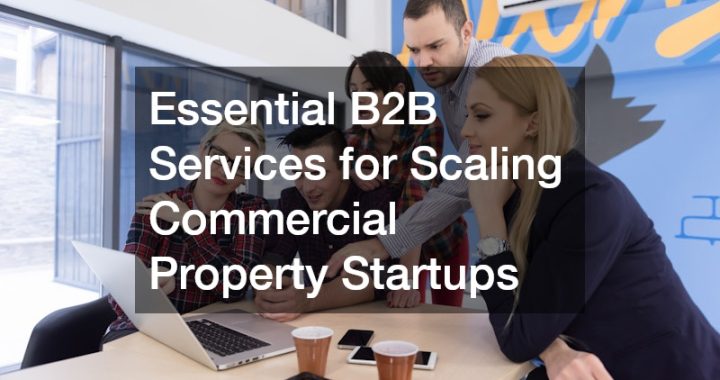
Essential B2B Services for Scaling Commercial Property Startups
The most successful commercial property startups scale by transforming themselves from isolated entities into central hubs of a robust business-to-business (B2B) ecosystem. They recognize that their primary value lies in asset optimization and investment strategy, not in executing specialized trade work or administrative micromanagement. By strategically outsourcing specialized building upkeep, heavy industrial structural preparation, accessibility compliance, and professional workforce development to external experts, founders can protect their physical investments while keeping their core teams focused on high-level growth. This comprehensive guide outlines the foundational pillars of building that B2B vendor network to scale your commercial real estate enterprise efficiently.
1. Master Project Delivery and Executive Workflows

The internal operations of a scaling property firm require the same level of precision as the physical construction of the buildings themselves. When managing multiple commercial properties simultaneously, timelines for renovations, tenant build-outs, and structural upgrades frequently overlap. Without a structured framework to manage these competing priorities, deadlines are missed, construction costs inflate, and tenant relationships sour before the lease even begins.
To prevent these operational bottlenecks, leadership teams must invest heavily in standardized methodology. Equipping your core management team with formal project management training ensures that everyone speaks the same organizational language, utilizes unified Gantt charts, and understands how to identify critical path dependencies. This structural alignment prevents communication breakdowns between your internal asset managers and external general contractors.
Furthermore, continuous professional development should not be restricted to mid-level staff. Executive leadership must actively seek out the best classes available in corporate logistics, supply chain management, and risk mitigation. Higher education modules focused on real estate operations teach founders how to model predictive maintenance costs, negotiate complex vendor contracts, and navigate macro-economic shifts. By combining formalized organizational frameworks with advanced executive education, a startup establishes a repeatable blueprint for scaling its portfolio without expanding its internal corporate overhead.
2. Maximize Thermal Efficiency and Building Insulation
Energy overhead represents one of the largest ongoing expenses for any commercial property. For a startup looking to maximize net operating income, reducing utility consumption is an absolute priority. Buildings with poor insulation or degraded structural envelopes force climate control systems to work twice as hard, leading to astronomical energy bills and accelerated equipment depreciation.
When acquiring older commercial structures or retrofitting industrial warehouses, conducting a deep thermal audit should be your very first step. Partnering with a professional spray foam insulation company allows you to seal air leaks, reinforce structural integrity, and create a high-performance thermal barrier. Modern polyurea and polyurethane foam applications expand into hard-to-reach cavities, effectively isolating the building interior from external temperature extremes far better than traditional fiberglass batts.
The financial dividends of a well-insulated building are twofold. First, it directly lowers the operational costs of your assets, making your properties more profitable if utilities are included in the rent. Second, it serves as a massive selling point for eco-conscious commercial tenants who track their own corporate carbon footprints. Investing in premium insulation upfront protects the physical building from moisture intrusion and mold, saving tens of thousands of dollars in long-term structural remediation.
3. Maintain High-Performance Commercial Climate Control
A commercial property is only as viable as its environmental control systems. When an industrial climate control system fails, the consequences extend far beyond minor discomfort. For commercial tenants running data centers, medical laboratories, retail spaces, or corporate offices, a loss of climate control can halt business operations entirely, leading to severe liability claims against the property owner.
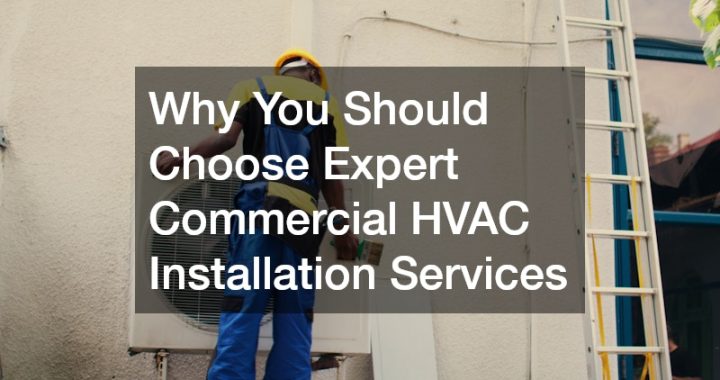
Establishing a proactive partnership with a commercial ac company is critical to mitigating these operational risks. Rather than waiting for a system breakdown to occur during a summer heatwave, startups must establish comprehensive preventative maintenance agreements. These commercial contracts should guarantee biannual system inspections, rapid emergency response times, regular coil cleaning, and predictive sensor calibration to catch minor compressor issues before they turn into catastrophic system failures.
When scaling a property portfolio, you will frequently encounter diverse HVAC configurations, from rooftop package units to complex Variable Refrigerant Flow systems. A sophisticated heating and cooling partner helps you design custom climate zones for multi-tenant buildings, ensuring that a retail boutique on the ground floor and a tech startup on the third floor can manage their environments independently. This granular control keeps utility expenditures highly optimized and keeps tenant satisfaction scores exceptionally high.
4. Optimize Heavy-Duty Industrial Surface Preparation
When expanding into industrial real estate, manufacturing facilities, or historical commercial buildings, startups are often confronted with severely degraded surfaces. Structural steel beams, concrete floors, and brick facades frequently suffer from decades of rust, failing industrial paint, and deep chemical contamination. Attempting to apply new protective coatings over these compromised surfaces is a recipe for premature peeling and accelerated structural decay.
To restore these heavy-duty assets correctly, property owners must look to specialized restoration vendors. Hiring an industrial sandblasting company ensures that surfaces are stripped down to their raw, foundational state using safe, highly regulated abrasive media blasting techniques. This specialized process removes tightly bonded contaminants, rust, and old lead paints quickly, creating an ideal surface profile that allows new industrial primers and epoxy coatings to bond permanently to the substrate.
Proper surface preparation is especially vital for properties located in harsh coastal environments or areas subject to heavy chemical exposure. Stripping and resealing your structural steel and masonry not only rejuvenates the aesthetic appeal of an old industrial park but also arrests the silent progression of structural oxidation. By treating surface restoration as a mandatory phase of property onboarding, you extend the functional lifespan of the asset by decades.
5. Secure Sub-Surface Commercial Infrastructure
While exterior aesthetics and interior finishes capture the attention of prospective tenants, the true operational health of a commercial property lies beneath the concrete slab and behind the drywall. Commercial plumbing infrastructure faces immense daily stress, handling volumes that would instantly overwhelm residential systems. A single major sewer backup or main line failure can shut down an entire shopping center or office park, resulting in massive lost revenue for tenants and immense legal exposure for the landlord.
Collaborating with a dedicated commercial plumbing company is essential for conducting deep infrastructural audits during the due diligence phase of any property acquisition. These industrial plumbing specialists utilize high-definition sewer cameras to inspect underground lines for root intrusion, pipe bellies, and structural cracking. They also ensure that vital regulatory components, such as commercial grease traps in restaurant spaces and backflow prevention assemblies, are fully compliant with municipal environmental codes.
As your startup scales, having a plumbing partner on a priority service contract ensures that routine maintenance—such as high-pressure hydro-jetting of main drain lines and commercial water heater scaling clear-outs—is performed during off-hours. This proactive scheduling minimizes disruptions to your tenants’ business hours while ensuring that your property’s water delivery and waste management systems operate flawlessly under peak load conditions.
6. Establish Perimeter Security and Structural Boundaries
Physical security and clear boundary definitions are non-negotiable requirements for modern commercial tenants, particularly those operating in logistics, warehousing, or high-value retail. An open, unsecured perimeter invites unauthorized parking, illegal dumping, vandalism, and cargo theft, all of which drive up your property insurance premiums and destroy the market value of your real estate asset.
Securing these perimeters requires the expertise of a commercial-grade fence company capable of installing heavy-duty security barriers, automated access-control gates, and anti-climb perimeter systems. Whether your asset demands high-tensile chain-link fencing with razor-wire additions for an industrial yard, or ornamental steel fencing for an upscale suburban office park, the installation must be built to withstand both deliberate breaches and severe weather events.
Beyond basic security, properly planned fencing plays a major role in traffic management and zoning compliance. It segregates pedestrian walkways from dangerous semi-truck loading bays, screens unsightly dumpster enclosures from public view, and establishes clear legal boundaries between your parcel and neighboring properties. A well-fenced asset gives tenants peace of mind, allowing you to command premium lease rates based on enhanced security and superior operational design.
7. Engineered High-Durability Parking and Access Assets
The parking lot or access road is the literal front door of your commercial property. It provides the very first physical impression for clients, investors, and prospective tenants. Deplorable asphalt conditions filled with deep potholes, standing water, and faded striping do more than just look unprofessional; they create immediate trip-and-fall liabilities and vehicle damage risks that can entangle your startup in expensive legal battles.
Maintaining these heavy-traffic surfaces requires a strategic alliance with an industrial asphalt driveway paving company. Commercial paving demands a completely different engineering approach than residential work, requiring thick aggregate bases and specialized asphalt binders capable of enduring the immense wheel-loads of delivery trucks, garbage haulers, and thousands of passenger vehicles daily. A professional paving vendor ensures correct sub-grade compaction and precise water drainage grading to prevent water from pooling and destroying the asphalt matrix.
Once a high-quality parking asset is poured, your B2B paving partner should guide you through a strict preventative maintenance lifecycle. This includes applying commercial coal-tar or asphalt emulsion sealcoats every few years to protect the surface from oil spills and UV oxidation, alongside immediate crack-sealing to prevent winter freeze-thaw cycles from tearing the pavement apart. Keeping your asphalt pristine protects your capital investment and ensures a smooth, safe arrival for everyone visiting your property.
8. Implement Comprehensive Physical Accessibility Systems
Navigating building codes and municipal regulations is one of the most complex aspects of scaling a commercial property startup. In many jurisdictions, strict legislation dictates that all public accommodations and commercial facilities must be fully accessible to individuals with physical disabilities. Failing to proactively meet these statutory design standards can result in catastrophic civil penalties, costly building code citations, and devastating public relations crises.
When retrofitting multi-story historical structures or upgrading older suburban office buildings, installing structural elevators is often financially prohibitive or architecturally impossible due to load-bearing wall constraints. In these scenarios, working with a specialized local stair lift company provides an elegant, fully compliant, and highly cost-effective solution. These mobility experts can design and install commercial-grade motorized chair lifts or vertical platform lifts along existing stairwells, ensuring seamless multi-floor access without requiring major structural demolition.
Prioritizing universal accessibility does far more than just keep your startup clear of regulatory fines. It dramatically expands the marketability of your commercial square footage, allowing you to lease space to medical practices, government contractors, non-profit organizations, and diverse corporate tenants who mandate fully accessible workplaces. Creating an inclusive environment enhances the intrinsic value of your real estate asset while demonstrating corporate social responsibility.
9. Align Infrastructure with Advanced Manufacturing Standards
As a property startup scales into light industrial, flex-space, or logistics real estate, you will frequently market your facilities to corporate tenants involved in advanced product assembly, electronics testing, or specialized consumer goods packaging. These specialized tenants do not just look at square footage; they evaluate a property based on its industrial capacity, floor-load limits, and power grid stability.
To effectively attract and retain high-value industrial occupants, it is highly beneficial to understand the operational blueprints of a modern contract manufacturing company. These firms require specific infrastructural layouts, including high-voltage three-phase electrical drops, reinforced concrete slabs capable of supporting multi-ton heavy machinery, dedicated pneumatic air lines, and specialized ventilation systems to clear manufacturing byproducts from the factory floor.
10. Cultivate Proactive B2B Vendor Management Frameworks
The true secret to successfully scaling a commercial property startup does not lie in the sheer number of vendors you hire, but in how systematically you manage those B2B relationships. A scattered, disorganized approach to contractor management—where a different random vendor is called for every minor emergency—leads to inconsistent work quality, unpredictable invoicing, and massive administrative friction for your internal accounting team.
Attempting to shoulder the immense burdens of facility maintenance, heavy surface restoration, structural insulation, security infrastructure, and complex accessibility modifications using internal staff is an inefficient allocation of startup capital and human resources. The path to rapid, sustainable growth lies in your ability to cultivate a highly responsive, deeply competent network of B2B service providers. Entrusting specialized tasks to proven trade experts allows your core leadership team to break free from daily operational fires and focus exclusively on high-level capital deployment, investor relations, and portfolio expansion.
As you move forward, audit your current property portfolio and take a hard, honest look at your operational vulnerabilities. Identify the maintenance gaps that are draining your team’s time and dragging down your net operating income. By proactively establishing master service agreements with elite B2B vendors today, you build the unbreakable operational foundation required to support a multi-million dollar commercial real estate empire tomorrow.
 Essential B2B Services for Scaling Commercial Property Startups
  You Can Become an Entrepreneur at Any Age.
  Why You Should Choose Expert Commercial HVAC Installation Services
  Turning Niche Services Into Profitable Long-Term Ventures